
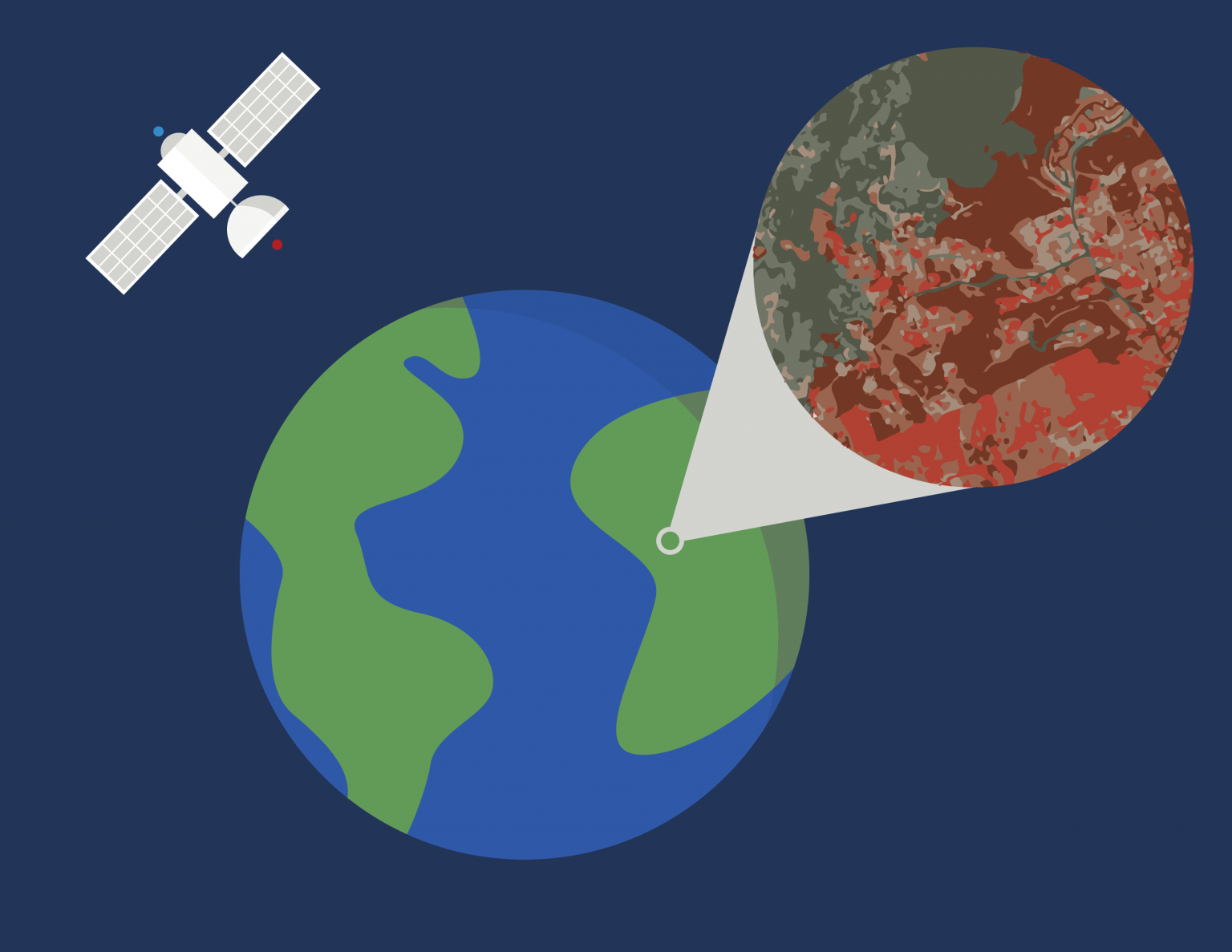
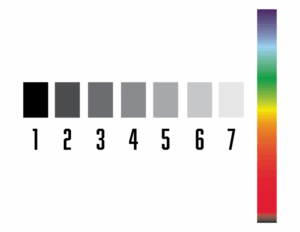
 While there is an existing model created by the World Bank team to estimate poverty levels based on existing survey data, students were tasked to improve the accuracy rate of this model. This initial model only utilized three spectral bands to capture data through satellite imagery and had an original gridsearch model. Students expanded various hyperparameters and created a newer model to help achieve higher accuracy as well as create a continuous measure of poverty. By the end of the challenge, students were able to increase their poverty prediction accuracy rates by 3.8%. One way in which students improved upon the original model was by increasing the three spectral bands to seven, with each band capturing light from different parts of the electromagnetic spectrum. This was beneficial as the various combinations of bands are useful at measuring various poverty indicators. Students also explored changing various parameters to improve model performance, including altering batch sizes and adding more hidden dense layers. Furthermore, by expanding the initial gridsearch to handle more continuous outputs rather than just providing a binary outcome allows for a more comprehensive understanding of poverty levels.
 Students, under the supervision of Professor Katya Vasilaky and the DxHub team, worked closely with Robert Marty and Alice Duhaut from Dime, the World Bank impact evaluation department, the creators of the original poverty prediction model. This group utilized the DxHub’s AWS resources in order to develop models and charts which allowed them to alter crucial hyperparameters in their work. More specifically, students used Amazon S3 to share and store their data , as well as deploying JupyterHub server and AWS SageMaker for their analyses. This included implementing numerous machine learning models upon expanding the grid search to a continuous scale to evaluate a household’s financial health.
 By expanding the number of bands from three to seven in their CNN model, reducing the batch size, and reducing early stoppage occurrences, students were able to achieve better accuracy. By making use of Landsat 8 and VIIRS satellite images in their model, students were able to extract the most relevant features and merge them with information from proprietary survey data to determine the most accurate model to predict a binary asset-based poverty measure. While future research will continue in measuring poverty levels, these students have implemented various valuable improvements when it comes to understanding and accurately measuring poverty rates through deep learning.